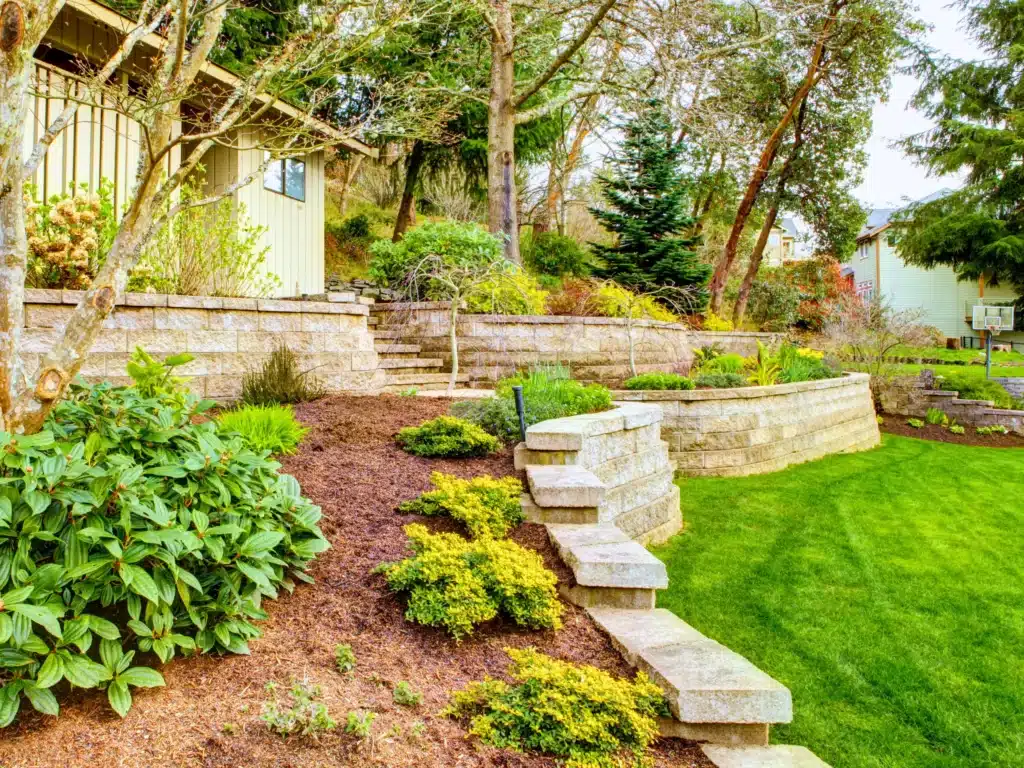

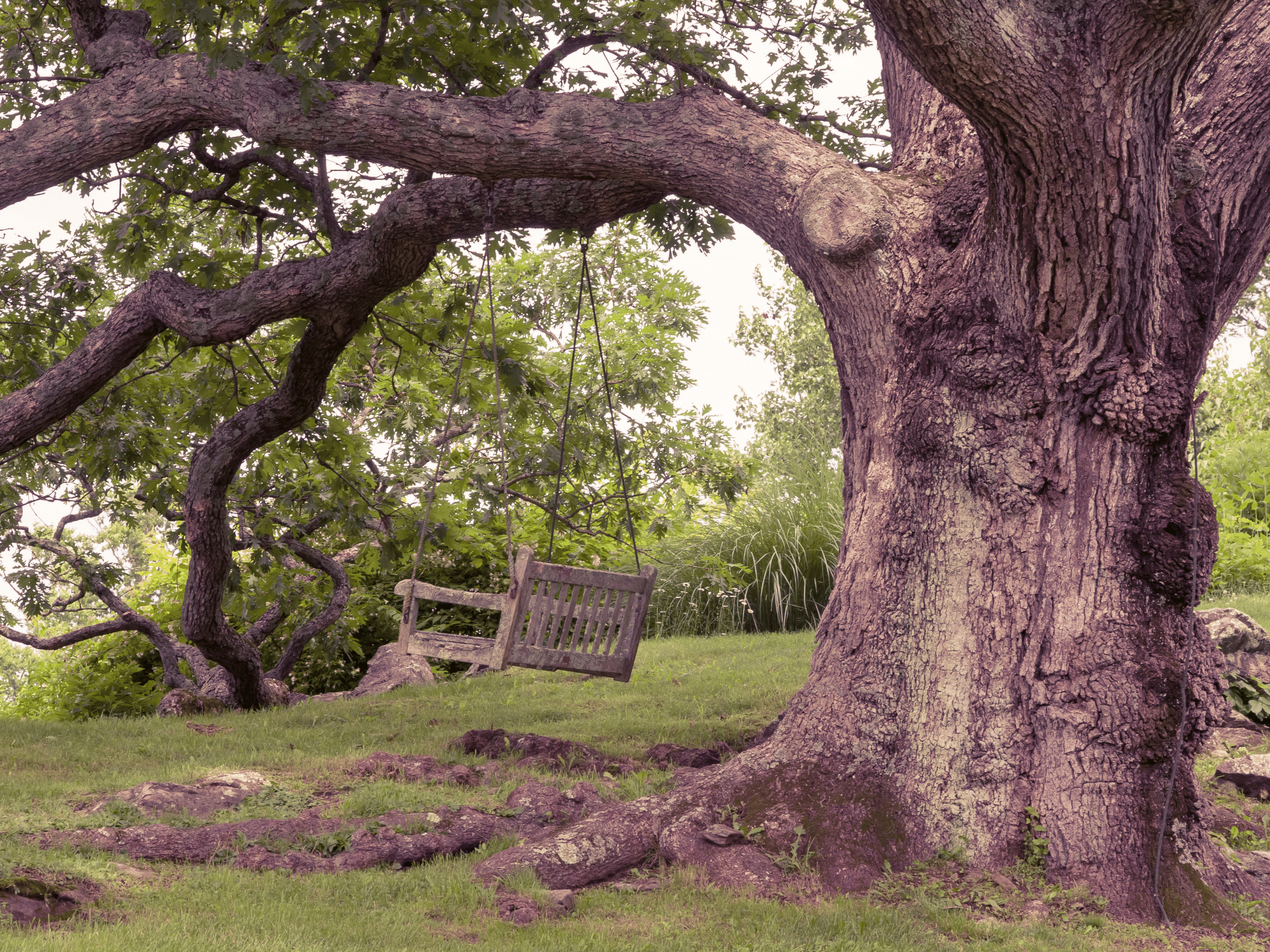
Understandably, many homeowners become attached to their trees over time. And whether you planted the trees yourself or they were already 50 years old when you purchased the home, it’s easy to start looking at them like members of the family.
But unfortunately, trees don’t last forever. Even the longest-living white oaks and black gums will eventually start to decline, present safety hazards, and require removal. There are also times when relatively young and healthy trees must be removed.
The problem is that homeowners don’t always know how to spot the signs that a tree may require removal. So, we’ll try to help by sharing a few of the most noteworthy clues below.
Nine Signs That You May Need to Remove a Tree
There are countless reasons that you may need to consider removing a tree on your property, but you should always watch out for the following clues. If you notice any of the following nine signs, contact the professionals at Elion Landscaping for a free assessment.
1. Large Hollows or Cavities in the Trunk
Hollows and cavities spell double trouble for trees. Not only do they represent weak areas that make a tree vulnerable to collapse, but they also mean that the tree is suffering from extensive decay. Unfortunately, there’s nothing you can do to repair cavities, and they may even grow larger with time.
2. Sudden Changes in a Tree’s Lean
Trees that develop a lean gradually over the course of many years will often remain stable, but those that start to lean suddenly (or begin leaning farther than normal in a short period of time) are often at imminent risk of failure. It’s important to keep people away from these kinds of trees and have the tree removed immediately.
3. Mushrooms or Conks on or Around the Tree
Mushrooms and conks growing on the woody tissue of a tree (including any part of the bark, sapwood, or roots) are always cause for concern. Mushrooms are the fruiting bodies of fungi, somewhat similar to the flowers of plants and trees. And by the time mushrooms start erupting from the bark, the wood is often quite decayed.
4. Mounding Soil at the Tree Base
Soil that mounds or appears “lifted” near the base of a tree is an emergency situation, as it indicates that the soil, the roots, or both are actively failing. In these cases, you’ll want to clear the area and contact an arborist immediately to have the tree removed.
5. Insect Activity on the Tree
Not all insects are harmful to trees, but it can be difficult for homeowners to distinguish among the most common species encountered in Oklahoma City. This means you’ll want to contact a tree-care professional who can determine whether they’re harmful or not, and whether your tree can be treated or requires removal.
6. Premature Fall Color
Premature fall color can be an indication of a variety of problems ranging from stress to girdling roots to vascular disease. Some of these problems may be treatable, but others are unfortunately likely to prove fatal, meaning that removal is often the best course of action.
7. Crown Dieback
It’s always important to contact a tree-care professional if you notice limbs dying within the canopy of a tree. This doesn’t always indicate a problem (some branches may die because they’ve been shaded by other branches), but it can be a sign of a serious issue, such as oak wilt.
8. Previous Removal of Adjacent Trees
Trees that grow up exposed to wind often develop additional wood to help withstand the forces they experience. But when these trees are removed, the nearby trees — which were not exposed to wind and therefore did not develop response wood — may be at increased risk of failure.
9. Extended Floods
Even though they live underground, tree roots require oxygen to survive. And when the ground is covered in several inches of water for an extended period of time, it can deprive the roots of the oxygen they need, leading to the death of the roots. Eventually, the entire tree will die and become susceptible to windthrow.
Discretionary Reasons to Remove a Tree
The signs discussed above may indicate that a tree is hazardous or likely to decline, which means that removal may not be optional — it may be necessary for safety reasons. However, there are a number of reasons you may want to remove a tree, even though it is likely safe. A few of the most important include:
- Your tree is blocking your view or disrupting sightlines. While some homeowners plant trees to provide more privacy, others may like having wide-open views of the surrounding area. Tree removal can open up these sightlines and provide better views in some cases.
- Your tree is producing undesirable fruit, flowers, or litter. Whether you have a female ginkgo tree dropping foul-smelling fruit on your yard, a river birch covering your yard with shed bark, or a sweetgum tree that’s dropping spiky gumballs on your driveway, removal can help eliminate all of these issues.
- Your tree is preventing grass or plants from growing. The shade trees provide is often welcome by homeowners in warm climates, but it can also prevent grass, shrubs, or flowers from thriving. But by removing the tree, you’ll be able to give your ornamentals the sunlight they need.
- You’d like to use the space in a different way. From landscaping features to hardscapes, there are a variety of things homeowners may want to install in place of an existing tree. You may even want to remove a tree and replace it with a more desirable species.
- You simply don’t like the tree.
Considering Tree Removal? Elion Landscaping Can Help!
While homeowners can certainly carry out a number of tree-maintenance tasks, such as providing supplemental water, fertilizing trees (after having a soil test conducted), or spreading mulch under the canopy, there are some tasks that should be left to professionals. And that certainly includes removals.
Removing a tree is exceedingly dangerous work that can put your family and property at great risk. Fortunately, Oklahoma City property owners can get the tree-removal help they need by simply contacting the professionals at Elion Landscaping. We’ll remove your tree quickly and safely, so you don’t have to lift a finger.
Contact us today to receive your free estimate!
Sources & References
- International Society of Arboriculture – “Tree Risk Assessment: What We Know (and What We Don’t Know)”
Provides a literature review of tree risk assessment research, covering biomechanics, site conditions, defects, and the tree-care profession’s standards of duty and liability.
https://wwv.isa-arbor.com/education/resources/educ_Portal_Risk_AN.pdf?utm_source=chatgpt.com - Oklahoma Department of Agriculture, Food and Forestry – “Tree Insects & Diseases”
Offers an overview of major insect pests and diseases affecting Oklahoma’s trees, and resources for communities and individuals to identify and respond to threats. Oklahoma Ag & Forestry
https://ag.ok.gov/forest-and-land-management/tree-insects-diseases/ - Oklahoma State University Extension – “Site Disturbance and Tree Decline”
Details how soil disturbance, changes of grade, compaction, and other site-conditions cause progressive decline and death of established trees, especially within construction or landscaping contexts.
https://extension.okstate.edu/fact-sheets/site-disturbance-and-tree-decline.html