Some trees are quite delicate and need precise environmental conditions and plenty of pampering to survive, let alone thrive. Meanwhile, some other trees — like the eastern redcedar — are so remarkably hardy, resilient, and adaptable that they could seemingly survive anywhere.
This tough-as-nails nature makes the eastern redcedar a wonderful option for residential and commercial properties in the Oklahoma City area. However, there are still a few things you’ll need to do to give them the best chance of thriving. We’ll lay out some of the most important care requirements these trees have below.
The Eastern Redcedar Tree at a Glance
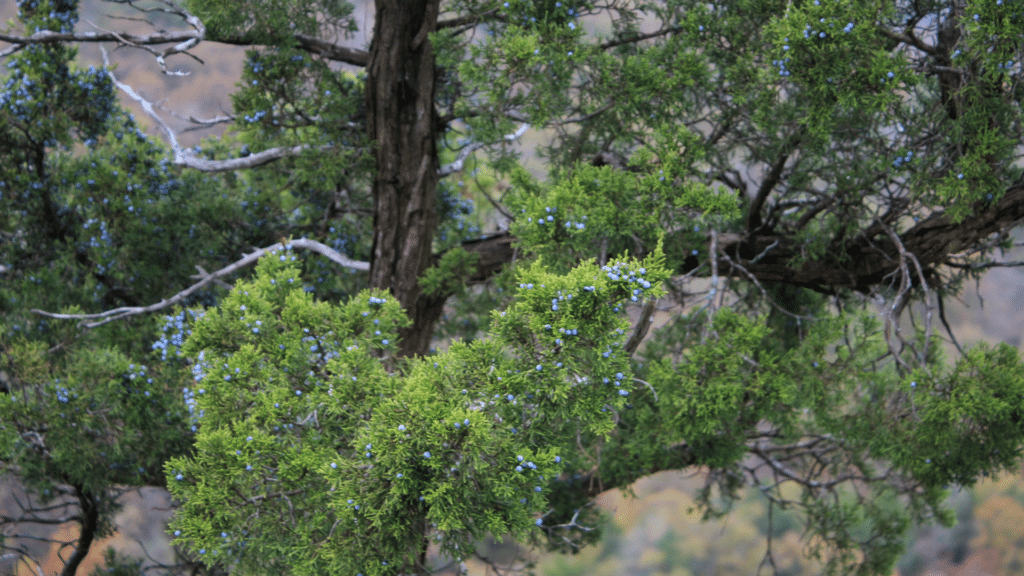
Known to tree pros as Juniperus virginiana, the eastern redcedar is not a true cedar tree; it’s actually a type of juniper. Native to most of the eastern United States, including much of the state of Oklahoma, the eastern redcedar is a sun-loving pioneer species that often thrives in dry, low-quality soils and is often one of the first trees to colonize disturbed areas.
Eastern redcedars sometimes reach heights of 70 feet or more, but at other times, they remain small and only achieve shrub-like proportions. They’re available in a wide variety of cultivars, with different ones being well-suited for different purposes. For example, small forms make great low-maintenance ground covers, while columnar varieties are often incorporated into screening projects.
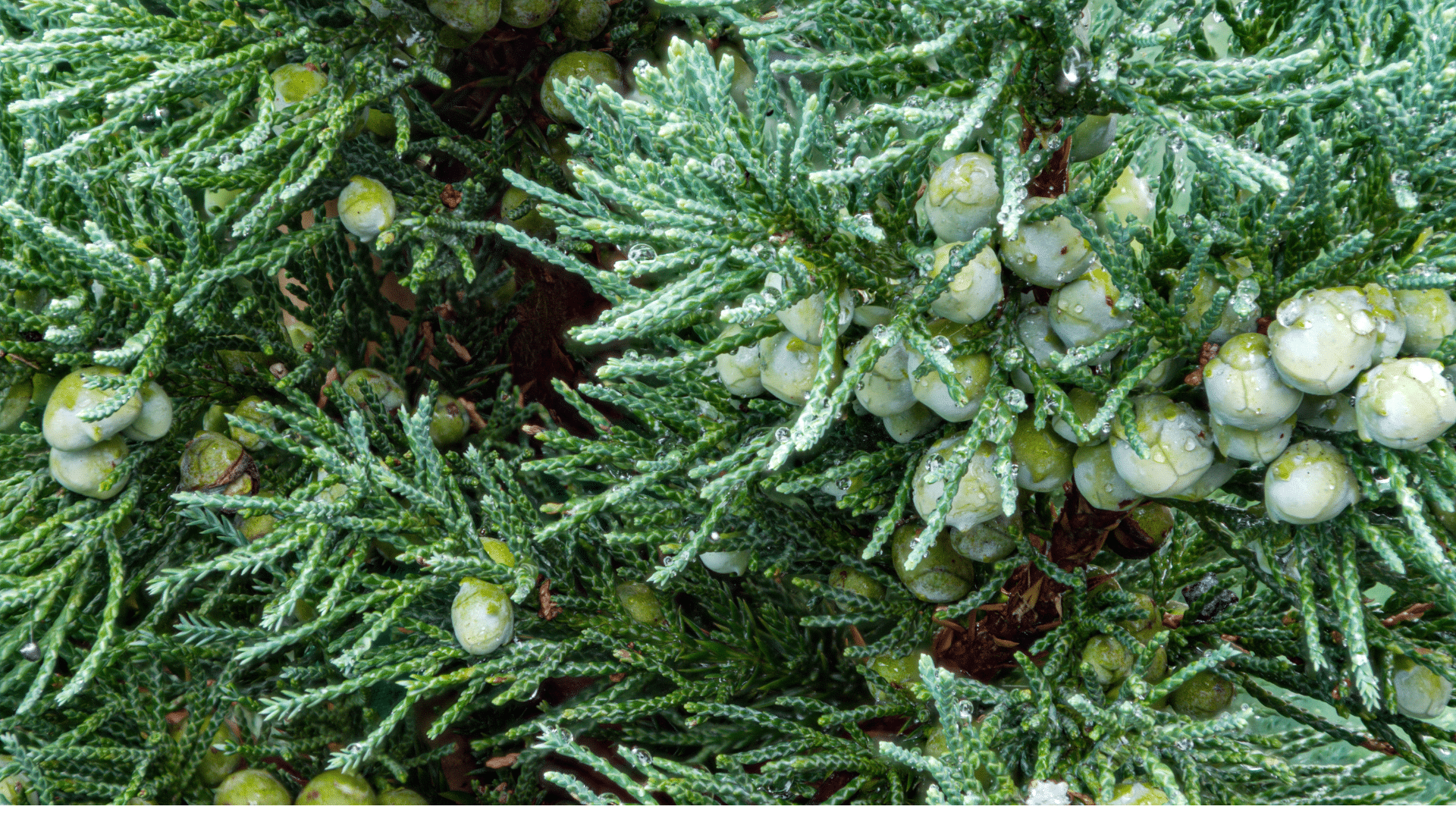
Like most other conifers, the eastern redcedar produces cones, but they don’t look like cones at all. They actually appear like pretty, light-blue berries.
Caring for Eastern Redcedar Trees: The Basics
As mentioned, redcedars are remarkably hardy trees that often thrive in even the harshest landscapes. But with that said, they will remain healthiest and look their best if you:
- Plant them correctly. Like all trees, eastern redcedars should be planted in a suitable location while employing the best possible arboricultural techniques. This means not only selecting a location that provides enough room for the tree but also digging a wide, relatively shallow planting hole. The planting hole should be two to three times as wide as the root ball and shallow enough that the root flare is not below ground level once planted.
- Irrigate them as appropriate. While eastern redcedars are adapted to relatively dry soils, they still require some moisture — especially at the time they’re planted. You’ll want to soak the tree’s root zone about once or twice per week during the first year or two following installation to ensure your new tree has enough water. Once established, you only need to provide supplemental water during extended droughts or heat waves.
- Prune them when necessary. Like most conifers, eastern redcedars don’t require a great deal of pruning. However, it is wise to have a professional assess your tree while young to carry out structural pruning if warranted. You’ll also want to have it pruned periodically to remove dead, diseased, or decaying limbs before they can present a safety hazard.
- Apply mulch over the root zone. Spreading a layer of mulch over a tree’s roots is one of the best ways to protect the root system and foster the kind of ideal soil conditions that’ll support its long-term health. Just be sure to use an organic wood mulch and avoid using too much — 2 to 4 inches of thickness is ideal. Also, avoid piling mulch against the tree’s trunk, as this can trap moisture and invite decay to set in.
- Test the soil and add fertilizer when needed. While eastern redcedars are accustomed to poor soil conditions, they can occasionally require supplemental nutrition in the form of an organic, slow-release fertilizer. Just be sure that you conduct a soil test first, so that you can choose a fertilizer that addresses the specific nutrient deficiencies present.
- Monitor them for signs of pests or disease. It’s always easier to treat a pest or disease problem early, before the tree’s health can be significantly compromised. To do that, you’ll want to inspect the tree regularly, or preferably, enlist the help of a professional arborist. This way, you can spot the signs of trouble quickly and start treating the issue before it reaches an advanced state.
Let Elion Landscaping & Tree Service Care for Your Eastern Redcedar Trees
Eastern redcedars usually thrive in the Oklahoma City area, but they’ll always look their best and remain healthiest when provided with professional care. So, contact Elion Landscaping & Tree Service today to schedule an on-site assessment. Whether you’re in Mustang, Talavera, or anywhere else in the Greater Oklahoma City area, we’ll have one of our tree-care professionals evaluate your trees and develop a care regimen that’ll provide the support they need to provide your property with the shade, privacy, and beauty you deserve!
Sources & References
- Oklahoma State University Extension – “About Eastern Redcedar”
Provides region-specific guidance on the growth habits, environmental tolerances, management needs, and ecological behavior of Eastern redcedar trees in Oklahoma.
https://extension.okstate.edu/programs/plant-id/plant-profiles/eastern-red-cedar/ - USDA Forest Service – “Juniperus virginiana (Eastern Redcedar) Silvics Manual”
Offers a comprehensive scientific profile of Eastern redcedar ecology, soil and moisture preferences, growth characteristics, and common structural or health issues.
https://www.srs.fs.usda.gov/pubs/misc/ag_654/volume_1/juniperus/virginiana.htm - International Society of Arboriculture (ISA) – “Tree Care Tips”
Outlines industry-standard best practices for planting, mulching, pruning, and monitoring tree health—core principles for maintaining vigorous Eastern redcedar trees.
https://www.treesaregood.org/treeowner/treeownerinformation